
What the classic psychological horror movie ‘Jacob’s Ladder’ (1990) teaches us about the mind and its role in the workings of the universe.
The Movie (contains spoilers)
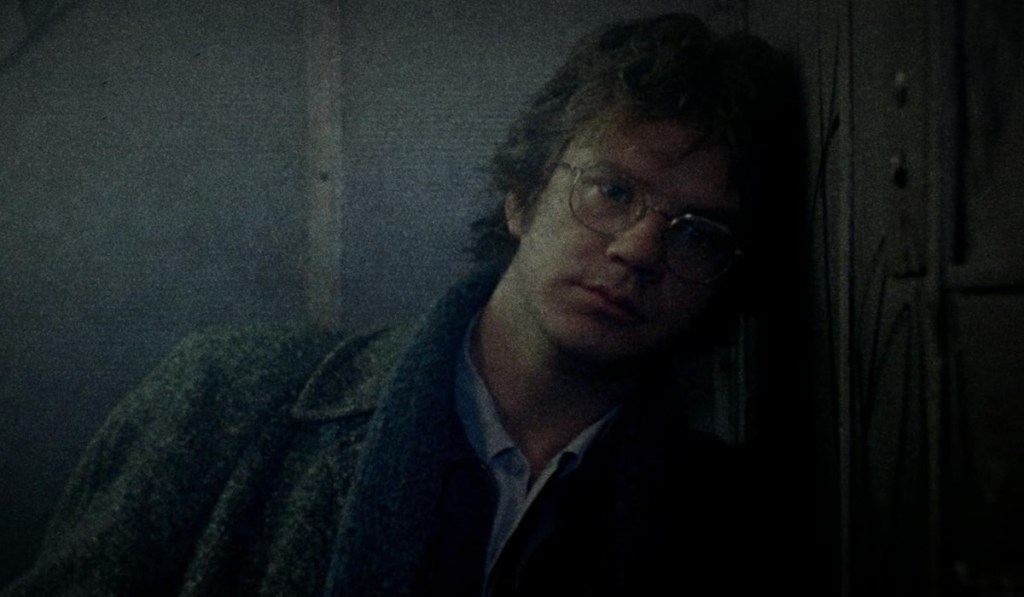
‘Jacob’s Ladder’ (1990, Adrian Lyne) – a haunting exploration of reality and death – opens with a brutal ambush of American soldiers in Vietnam. Jacob Singer (Tim Robbins) is among them, but his fate in the attack is left unresolved.
Years later, Jacob is back in New York City, living with his girlfriend Jezzie (Elizabeth Peña). We learn he is divorced, has two children, and is still grieving the death of his third child, Gabe (an uncredited role by Macaulay Culkin).
It soon becomes obvious that something is wrong with Jacob’s reality. He is haunted by ghost-like entities, sees a tentacle protruding from a sleeping homeless person, and at the Veterans Office there is no military record of his service in Vietnam. Then, inexplicably, he is suddenly back with his ex-wife and children as if no time has passed.
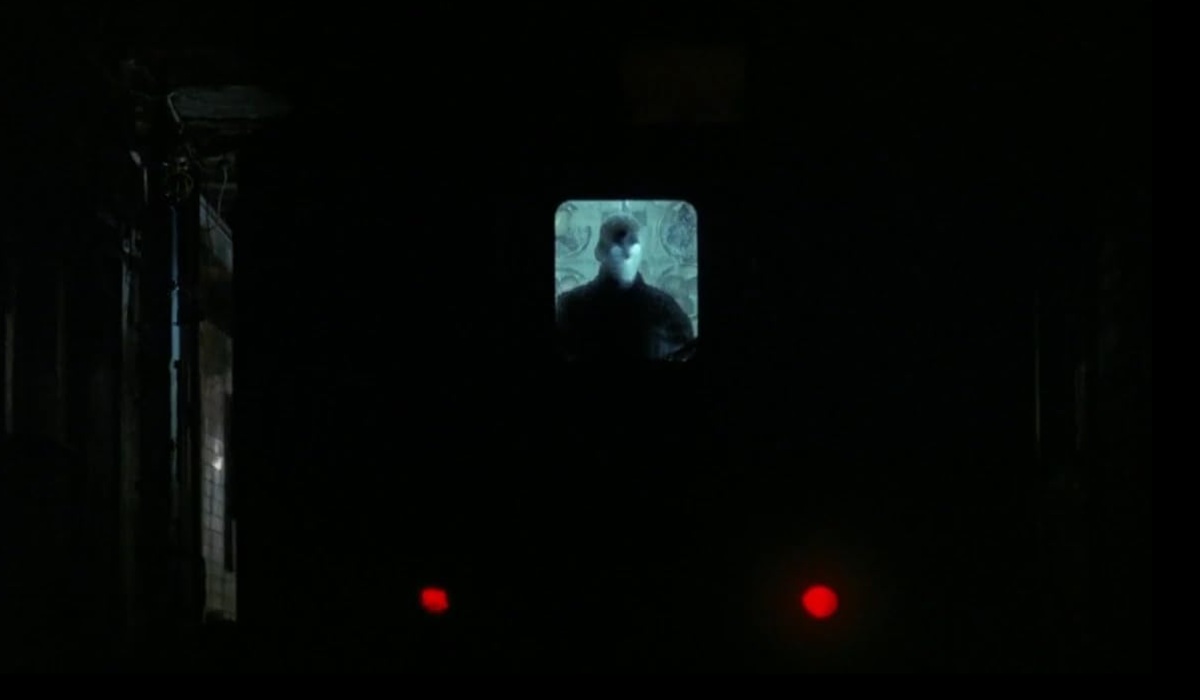
At a friend’s party, a psychic delivers a chilling revelation: Jacob is already dead. Could this be the key to understanding his torment? The film’s script, penned by Bruce Joel Rubin (known for ‘Ghost’, 1990), delves into the mysteries of existence beyond our own.
Another clue comes from Jacob’s chiropractor, Louis (Danny Aiello), who explains that a dying person clinging to life may confront demons, but acceptance can bring peace. The title itself is a clue as well: Jacob’s Ladder refers to the Biblical vision of a ladder connecting Heaven and Earth (Genesis 28:12).
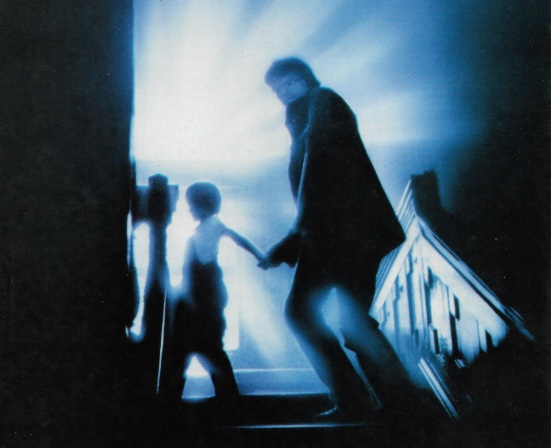
The final revelation is devastating: Jacob has been dying all along in a Vietnamese field hospital. As the medics pronounce him dead, we witness his last vision: Jacob, at peace, walking toward the light alongside his deceased son, Gabe.
The Biocentric Theme
‘Jacob’s Ladder’ shows that the mind has the power to create entire realities. Jacob is not really in New York, he doesn’t have a relationship with Jezzie, and he’s not really involved in a government conspiracy. Yet, the reality he experiences – including the scary ghosts tormenting him – feel 100% real. That is because they are real. The reality he creates is his ultimate reality.
A central quote in the story is this: “If you’re frightened of dying and you’re holding on, you’ll see devils tearing your life away. But if you’ve made your peace, then the devils are really angels, freeing you from the earth.”
This quote from Meister Eckhart is spoken by Jacob’s chiropractor Louis (Danny Aiello). This practice comes straight from the ‘Tibetan Book of the Dead’. Louis serves as Jacob’s guide, helping him navigate the transition from the spacetime domain to the next realm.
When your mind is starting to enter the spiritual realm, it includes both heaven and hell, both fantasy and nightmare. Tibetan tradition advises the dying to focus on the light and resist the distractions of the mind’s creations. The key is acceptance. The moment Jacob embraces his fate and lets go, his nightmare transforms into a tranquil dream, allowing him to ascend effortlessly into the blissful realm awaiting him.
‘Jacob’s Ladder’ reveals the mind’s power to create both heaven and hell, which ultimately coexist as two sides of the same reality. It is the mind that determines which one manifests.

 Free-Consciousness
Leave a comment